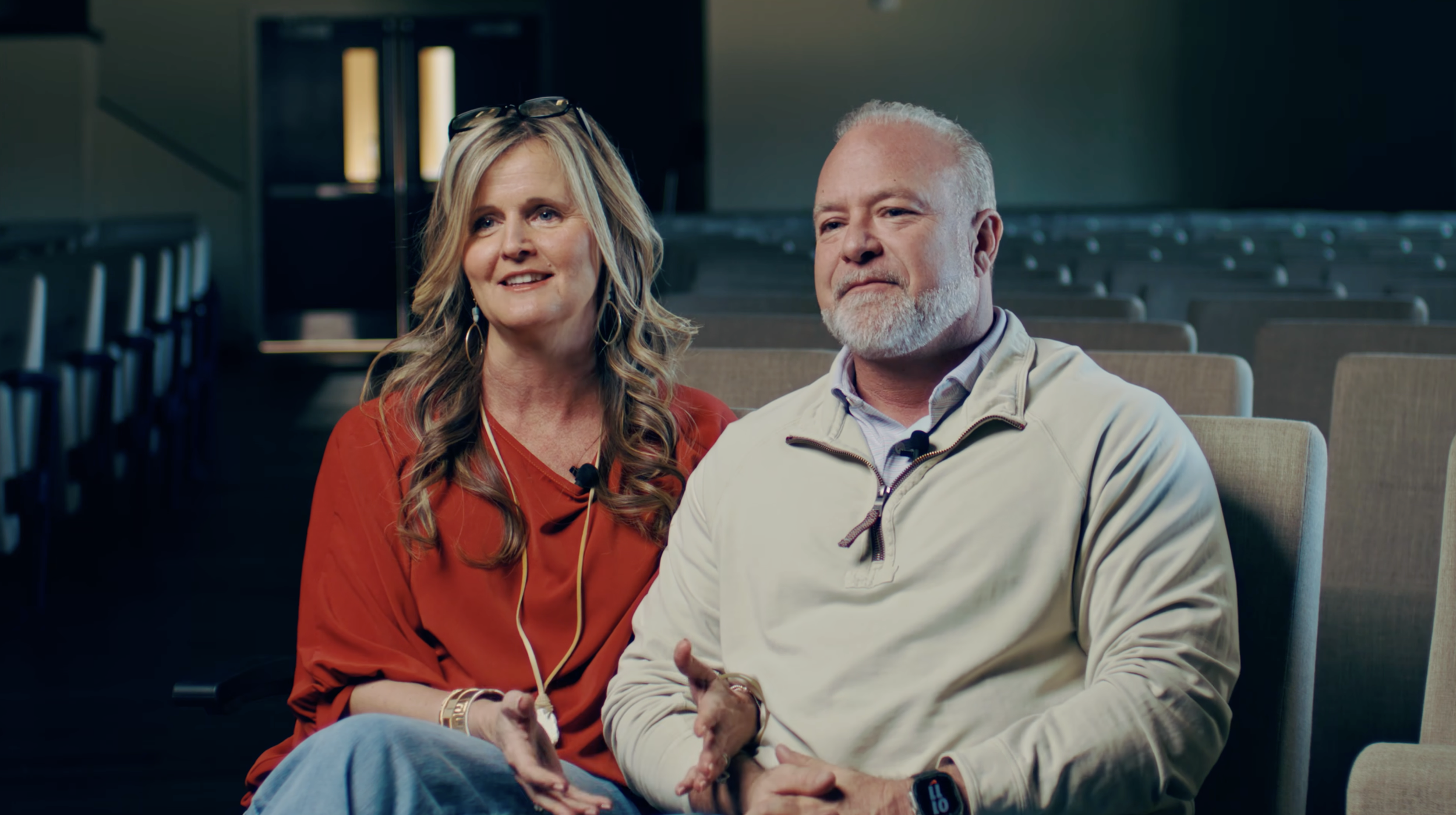
Cinematic Storytelling for Businesses: A Human Approach
What if your brand's story felt less like a sales pitch and more like a window into a human life? Most leaders feel the sting of high bounce rates on "About Us" videos that took months to produce, yet fail to hold an audience's attention for more than a few seconds. It's difficult to articulate the human side of a technical or abstract business without feeling inauthentic. You know your work has depth, but traditional marketing often strips that soul away in favor of corporate noise. Cinematic storytelling for businesses offers a different path by focusing on the quiet, sincere moments that build real trust.
Data from Nielsen indicates that branded videos using cinematic techniques see a 37% increase in average view time. This article will show you how to transform your message into a resonant visual narrative that prioritizes character over technical flashiness. You'll learn how to move from "selling" to "observing" the truth within your brand. We'll explore the path to creating a legacy piece that fosters deep emotional resonance and lasting loyalty, ensuring your message isn't just heard, but truly felt.
Key Takeaways
Move beyond the "talking head" interview by using grounded composition and lighting to signal your brand's values without a word of dialogue.
Discover how cinematic storytelling for businesses prioritizes human connection over corporate noise through a "show-don't-tell" visual approach.
Learn to distinguish between the organic truth of a documentary-style profile and the intentional world-building of a scripted narrative.
Locate the narrative heart of your organization by identifying the specific human problem you solve and the individuals who embody your mission.
Understand how a collaborative partnership with a cinematic director fosters the immersion needed to create a video that feels like a lasting legacy.
What is Cinematic Storytelling for Businesses?
Cinematic storytelling for businesses isn't a technical upgrade; it's an emotional one. Traditional corporate videos often rely on a "talking head" interview where a professional recites a script. While functional, these videos rarely capture the soul of a company. Cinematic narrative uses visual "show-don't-tell" techniques to invite the viewer into the room. It transforms the viewer from a target audience into a witness. In 2026, people reject the over-polished corporate scripts that dominated the last decade. They look for raw human truth instead.
The director acts as a thoughtful observer of your organization's daily life. They don't just set up lights; they look for the quiet moments that define your purpose. It's about the way a craftsperson holds a tool or the steady focus in a teammate's eyes. These details build a bridge of trust that a script cannot manufacture. By capturing these organic moments, the filmmaker translates human experience into a visual medium that resonates on a deeper level.
The Shift from Advertising to Artistry
Advertising asks for a lead; artistry builds a legacy. When you prioritize visual language, you're signaling brand authority through atmosphere rather than aggressive sales claims. This approach creates a psychological impact of sincerity that stays with the viewer long after the video ends. The concept of "Absolute Cinema" has become the standard for audience engagement. It means every frame is intentional, serving a purpose beyond mere decoration. It creates a steady, respectful rhythm that encourages the audience to slow down and connect with your mission.
Story-First vs. Gear-First Production
A 12-word core truth is more powerful than an 8K camera. Technical flashiness often hides a lack of substance. Story-first production focuses on character arcs within your mission. Whether you're a non-profit or a technical business, there's a human journey at the center of what you do. This is the "Humble Expert" approach. The filmmaker doesn't try to be the hero of the narrative. They position themselves as the lens through which your story is told. By letting the subject be the hero, the narrative remains grounded, authentic, and profoundly human.
The Visual Language of Brand Resonance
Visual language is the silent dialogue between a company and its audience. When dialogue stops, the lighting and composition continue to speak. Cinematic storytelling for businesses relies on these subtle cues to signal values like stability, innovation, or compassion without ever uttering a word. Grounded cinematography plays a vital role here. By avoiding overly robotic movements or frantic cuts, the camera acts as a steady observer. This creates a sense of sincerity and trust. It feels like a human eye is watching, which makes the viewer feel seen in return.
The rhythm and pacing of a film act as the heartbeat of the brand. A methodical edit suggests careful consideration and reliability. A faster, more rhythmic pace might mirror the energy of a creative agency. Capturing human-centric moments requires patience. It's about finding the organic interactions that happen between the planned shots. These aren't staged; they're discovered. When you choose a people-focused visual approach, you're investing in these small, honest details that build a bridge between your mission and your audience.
Cinematography as an Emotional Tool
Audience intimacy is dictated by camera proximity. Wide shots provide context and establish the world your business inhabits, while close-ups capture the character and emotion of the individuals within it. Using natural light evokes a sense of warmth and authenticity that artificial setups often lack. It suggests that your brand is transparent and grounded in reality. Visual empathy is the intentional use of perspective to foster a shared emotional experience between the subject and the viewer.
Soundscapes and the Unspoken Narrative
Sound is half of the cinematic experience, yet it's often the most overlooked. Moving away from generic stock tracks toward intentional, rhythmic scores allows the film to breathe with its own unique identity. Environmental sound also adds a layer of truth. The quiet hum of a workshop or the ambient noise of a collaborative office provides a texture that feels real. Silence can be the most cinematic tool in your brand film. It gives the audience space to process an idea or feel an emotion. By allowing for moments of quiet, you respect the viewer's intelligence and invite them to engage on a deeper level.
Documentary Style vs. Scripted Narrative
Choosing between a documentary or a scripted narrative isn't just a creative choice. It's a strategic decision about how you want to be seen. Documentary-style filmmaking focuses on the discovery of truth. It captures the organic pulse of an organization as it happens, favoring observation over artifice. Conversely, a scripted narrative involves intentional world-building. It allows a brand to project a visionary perspective that might not be visible in day-to-day operations. Cinematic storytelling for businesses helps bridge this gap by selecting the lens that best honors your brand heritage.
The right approach depends on your organization's history and its future goals. A legacy brand with deep roots might lean into a documentary format to showcase its longevity. A tech startup solving an abstract problem might require a scripted narrative to make its solution tangible. The filmmaker acts as a patient observer in both cases. They don't force a story onto the subject. Instead, they wait for the character of the business to reveal itself. This ensures the final piece feels like an honest reflection rather than a polished mask.
The Documentary Approach for Non-Profits
Mission-led organizations and non-profits often thrive in the documentary space. This format prioritizes human stories that drive awareness and support. By using the "Artist Profile" method, we can document the sincere process of creation or service. It's essential to avoid the "poverty porn" trap that often plagues charitable content. Respectful filmmaking focuses on agency and resilience rather than just struggle. This builds a connection based on shared purpose rather than pity. It turns a viewer into a partner who believes in your mission.
Narrative Short Films for Commercial Brands
Commercial brands sometimes need to illustrate complex solutions through fictionalized scenarios. A narrative short film uses metaphors to make abstract concepts feel personal. You aren't just selling a product; you're building a world that consumers want to inhabit. This world-building creates an atmosphere of aspiration and belonging. It's about crafting a visionary story that feels like a legacy piece. When you integrate cinematic storytelling for businesses into your commercial strategy, you move beyond the transaction. You create a space where your audience feels understood and inspired.
Finding the Narrative Heart of Your Organization
Every business has a soul, but it's often buried under operational jargon. Finding it requires a shift from talking to listening. Cinematic storytelling for businesses isn't about creating a script from thin air. It's about uncovering the truth that already exists within your walls. To find your narrative heart, follow these four steps:
Identify the human problem: Look past the service you provide. Focus on the relief or joy it brings to a person. A software firm isn't selling code; it's selling time back to a tired parent.
Locate the individuals: Find the people who embody your mission. This might be a long-tenured employee who knows every corner of the workshop or a client whose life was changed by your work.
Define the legacy: Ask yourself what this piece should say ten years from now. A great brand film should feel like a permanent part of your history, not a temporary ad.
Collaborate with an observer: Work with a director who values listening over talking. You need a filmmaker who can sit in the quiet moments and wait for the story to reveal itself.
Humanizing the Abstract
Technical or industrial processes can feel cold on camera. Storytelling finds beauty in these details by translating abstract data into personal stakes. It's about the steady hand of a technician or the shared look between teammates. Try a "Being More Human" audit of your current strategy. Look at your videos. Do they feel like a broadcast or a conversation? If they feel like a broadcast, you're missing the opportunity to build a real connection. Finding beauty in the technical process requires a story-first perspective that prioritizes character over flashiness.
Preparing for a Story-First Production
Briefing a director for a cinematic project is different than a standard commercial. You must define your brand's emotional register. Is it steady and respectful? Is it warm and intimate? Identify visual touchstones like specific textures, environments, or even the quality of light in your office. These elements represent your truth. Prepare for a contemplative production pace. High-quality visual narratives require time to observe and capture organic moments. If you're ready to find the soul of your brand, you can view Austin's commercial filmmaking portfolio to see how these narratives come to life.
Collaborating with a Cinematic Director
Hiring a partner for your brand's visual journey is a significant decision. A videographer often focuses on a checklist of shots and technical execution. A cinematic director focuses on the heartbeat of the narrative. Cinematic storytelling for businesses requires a level of immersion that transcends a simple day rate. Project-based fees allow the director to slow down and observe the subject without the pressure of a ticking clock. This contemplative approach leads to a film that feels like a legacy piece rather than a disposable commercial.
The collaboration is built on artistic integrity and a shared purpose. You aren't just hiring a vendor; you're partnering with a witness to your mission. The post-production journey is where the story is finally found. It is a methodical process of discovery. The director looks through the footage to find the subtle glances and honest interactions that define your organization. This phase is about more than just cutting clips. It's about finding the rhythmic heartbeat that makes the narrative breathe.
What to Look for in a Director of Photography
Integrating cinematic storytelling for businesses into your strategy means seeking a portfolio that prioritizes people-focused depth over technical flashiness. You need a director who understands relational dynamics and how they translate to the screen. A "Humble Expert" lets the subject be the hero of the frame. They don't force a specific style onto the story. Instead, they let the organic truth of the moment dictate the visual approach. This requires a filmmaker who is patient, observant, and deeply invested in the discovery of truth in everyday moments.
The Long-Term Value of Cinematic Assets
A single high-quality brand film provides immense value across multiple digital channels. You can extract shorter clips for social platforms or use cinematic photography to build a cohesive visual identity. These assets work together to signal brand authority and sincerity. It's an investment in your brand's future legacy. When your visual language is unified, your message becomes more resonant and memorable for your audience. You move beyond the noise and create a space for real human connection. Explore a story-first approach to your brand's film.
Building a Legacy Through Visual Truth
Your brand's message deserves more than a polished script. It requires a witness. By shifting your focus from aggressive sales to quiet observation, you allow your organization's true character to emerge. Cinematic storytelling for businesses isn't just about high-end production; it's about the intentional discovery of the human moments that define your daily work. Whether you choose a documentary approach to highlight your mission or a scripted narrative to build a visionary world, the goal remains the same: to foster a connection that feels both honest and enduring.
Austin J. Allen brings a sincere, empathetic approach to commercial filmmaking, offering documentary-grade cinematography for national organizations and local missions alike. With deep expertise in people-focused visual narratives, he works as a thoughtful observer to capture the sincere heartbeat of your brand. It's time to move beyond the corporate commercial and create a legacy piece that resonates with substance and soul. Start telling your brand's human story with Austin J. Allen. Your mission is waiting to be seen through a more human lens.
Frequently Asked Questions
What is the difference between cinematic storytelling and regular corporate video?
Cinematic storytelling for businesses prioritizes the human condition over corporate features. Regular corporate videos often rely on scripted interviews and high-energy sales language. A cinematic approach uses grounded cinematography and natural lighting to observe the truth of a brand. It creates an atmosphere of sincerity and quiet confidence, inviting the audience to slow down and connect with your mission on a deeper, more intimate level.
How much does cinematic storytelling for businesses typically cost?
The cost depends on the scope of the narrative and the level of immersion required for the project. Factors like pre-production depth, crew size, and the number of filming locations influence the final investment. Because these are project-based collaborations, the focus remains on the value of the story rather than a standardized price list. This allows for a more intentional and contemplative production process.
Do we need professional actors for a cinematic brand film?
Professional actors are not a requirement for an authentic brand film. Using your own team or the people you serve often enhances the sincerity of cinematic storytelling for businesses. A director who specializes in people-focused visual content knows how to guide non-actors to feel comfortable on camera. This allows for the discovery of truth in everyday moments, ensuring the film feels like an honest reflection of your culture.
How long should a cinematic brand story film be for maximum engagement?
Engagement is highest when the runtime respects the viewer's time while providing enough space for the story to breathe. Most brand films find a sweet spot between 90 seconds and three minutes. This duration allows for a complete narrative arc that introduces a character, a conflict, and a resolution. It ensures the audience remains connected without feeling rushed by a frantic edit.
Can a cinematic approach work for a non-profit organization with a limited budget?
A cinematic approach is often the best choice for non-profits because it relies on the power of a single story rather than complex sets. By documenting a sincere artist profile or a specific impact story, you can create a legacy piece that resonates with donors. The focus is on empathy and connection, which are far more valuable than a high-production commercial look.
What is the ROI of cinematic storytelling compared to traditional ads?
ROI is measured through increased trust and brand loyalty rather than just immediate clicks. Branded videos using cinematic techniques see a 37% increase in average view time according to 2024 data. This higher engagement leads to better brand recall and a more significant emotional impact. It transforms a one-time marketing expense into a lasting visual asset for your organization's digital identity.
How do we prepare our team for a documentary-style film shoot?
Preparing your team starts with setting expectations for an intentional, contemplative production pace. They don't need to perform or follow a rigid script. Instead, they should be encouraged to focus on their work while the filmmaker observes. This approach allows the director to capture the organic relational dynamics within your office. It results in a film that feels authentic and respectful to the subjects involved.