Documentary Style Corporate Video: Why Authenticity Wins in 2026
In 2026, the most effective documentary style corporate video isn't a pitch; it's a quiet observation of human truth. You've likely felt the shift yourself. When a polished, high-energy commercial starts playing, the instinct is to look for the skip button. It's difficult to communicate complex, mission-led values when the audience is already guarded against being sold to. You want your message to resonate, yet the traditional path often leads to a high cost of production with a low emotional return.
We agree that the old way of manufacturing perfection is losing its touch. This article explores how prioritizing connection over technical flashiness can bridge that gap. You'll learn how to transform corporate messaging into human stories that build genuine trust and lasting connection. Research shows that 88% of consumers are convinced to purchase after watching a brand's video, but that conviction only happens when the story feels real. We'll look at the shift toward unscripted moments, the mechanics of increased viewer retention, and how to create a film that feels like a shared journey rather than a sales presentation.
Key Takeaways
Move beyond the sales pitch by learning how to observe and capture the quiet truths that define your organization.
Identify the essential components of a documentary style corporate video, from unscripted interviews to the use of natural light and observational B-roll.
Explore why embracing vulnerability creates a stronger bond with your audience than the traditional pursuit of corporate perfection.
Find the human heart of your mission through a pre-interview process that prioritizes listening over scripting.
Shift your perspective to act as a lens for your community's stories, fostering a sense of shared purpose and lasting connection.
Beyond the Script: The Rise of Documentary Style Corporate Video
Modern brand communication has moved beyond the loud speaker. In 2026, audiences have developed a refined filter for artifice. They don't want to be talked at; they want to be invited in. A documentary style corporate video achieves this by prioritizing the organic over the orchestrated. It isn't about the perfect take. It's about the honest one. By shifting from selling to observing, organizations allow their audience to reach their own conclusions. This creates a sense of shared discovery that a scripted commercial cannot replicate.
The End of Corporate 'Gloss'
Scripted ad copy often acts as a wall. When a viewer hears a rehearsed line, they stop listening to the message and start hearing the marketing. This creates a barrier. To understand how we arrived at this moment, exploring the history of sponsored films reveals a long evolution from blatant propaganda to these more subtle, human-centric narratives. Breaking down skepticism requires empathy. It requires a transition from a transactional tone to a relational one. When we see real people in their natural environments, we stop looking for the catch. We start looking for the connection.
Why Organizations are Choosing Film over Commercials
Traditional commercials are often fleeting. They serve a specific campaign or a seasonal sale. A well-told brand story or a narrative short serves a legacy. Organizations are increasingly choosing film because it offers a longer emotional shelf life. For mission-driven non-profits, this approach is vital. They don't need a product pitch. They need a purpose reveal. This distinction is subtle but profound. A pitch asks for something; a reveal shares something. Seeing a team solve a problem in real time or an artist in their studio provides a window into the soul of the work. This observational approach builds trust because it doesn't hide the process. It celebrates it.
The psychological impact of vulnerability is significant. In an era of high-speed digital content, slowing down to tell a long-form story is a bold act of confidence. It suggests that the brand's values are deep enough to withstand a quiet, lingering look. Choosing a documentary style corporate video means trusting your story to speak for itself. It means letting the human condition be the primary draw. When we prioritize the person over the polish, the audience rewards us with their attention and, eventually, their trust.
Anatomy of a Brand Story: Defining the Documentary Aesthetic
A documentary style corporate video is not defined by its budget, but by its perspective. It uses non-scripted interviews and real-world cinematography to reveal a brand's essence, rather than manufacturing a persona. This approach relies on a quiet, observational technique that allows the subject to lead the narrative. By focusing on what is already there, the filmmaker captures a level of sincerity that a script simply cannot reach. It is a transition from a staged performance to a lived experience.
Visual Language of Authenticity
The visual foundation of this style rests on the Director of Photography acting as an empathetic observer. Instead of overwhelming a room with heavy lighting rigs that can intimidate subjects, we prioritize natural light. This choice creates an intimate, grounded emotional resonance that feels familiar to the viewer. Handheld camera movement further contributes to this sense of presence. It creates a subtle, rhythmic pulse that mimics the human eye, suggesting that the audience is standing in the room rather than watching from a distance.
Environmental B-roll plays a vital role in grounding the narrative. These are the quiet shots of a workspace, the texture of a finished product, or the focused expression on a team member's face. Using minimalist equipment often leads to more sincere performances because the technology becomes secondary to the human connection. When the gear is unobtrusive, the subject's guard drops, allowing for a more honest visual story. For those looking to capture these moments with intentionality, exploring commercial filmmaking that prioritizes story over spectacle is a natural next step.
The Power of the Unscripted Interview
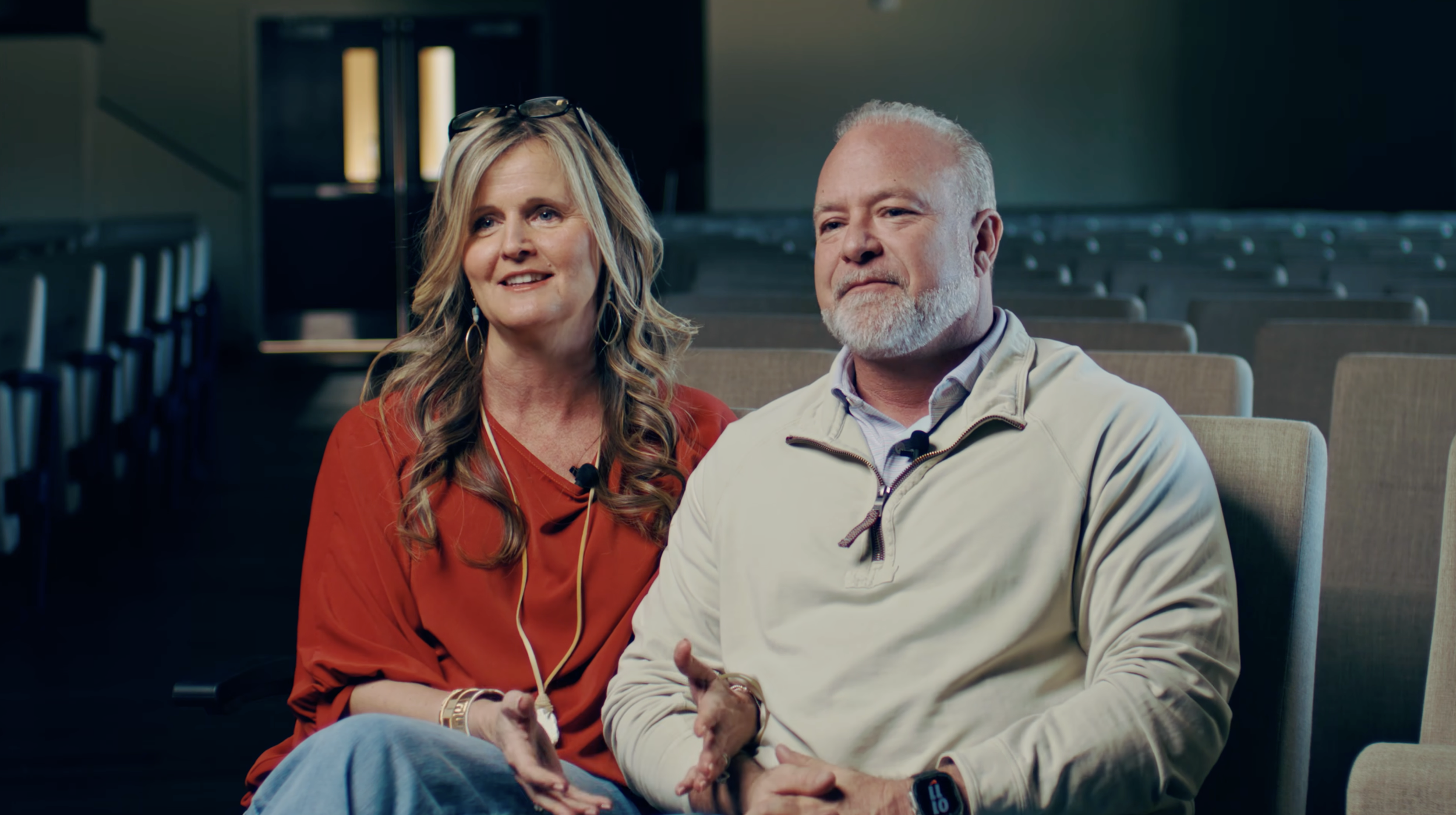
The heart of the documentary aesthetic is the conversation. We don't use teleprompters or rigid scripts because they often lead to a delivery that feels hollow. Instead, the focus is on making subjects feel comfortable enough to share their true perspective. This starts with a pre-interview phase where we listen for the story before the cameras even roll. During the shoot, we ask "why" instead of "what." Asking why a mission matters or why a specific process was chosen uncovers deeper human truths that a list of features never could. The documentary interview is a tool for discovery, not delivery.
This aesthetic is about finding the beauty in the ordinary. It requires patience and a willingness to wait for the right moment to unfold. When you combine unscripted dialogue with observational cinematography, you create more than just a video. You create a window into the shared purpose of your organization. This transparency is what builds a bridge between a brand and its audience, transforming viewers into advocates who believe in the story you are telling.
Truth vs. Polish: How Storytelling Builds Lasting Trust
Visual perfection often creates a distance between the viewer and the subject. When every frame is polished to a high shine, the audience begins to wonder what is being hidden behind the gloss. In 2026, trust is built through the acknowledgment of reality. A documentary style corporate video succeeds because it doesn't shy away from the process. It captures the challenges and the quiet persistence required to achieve a mission. By showing the work behind the result, a brand becomes more relatable and, ultimately, more trustworthy. It is a transition from a manufactured persona to an authentic presence.
We adopt what we call the "Humble Expert" approach. In this framework, the organization acts as a lens through which we observe a shared purpose. The brand isn't the hero of the story; it is the facilitator of a human experience. This shift in perspective is profound. It moves the narrative from a self-centered pitch to a community-focused observation. This requires a specific type of cinematography that translates these experiences into a visual medium without distorting them. It involves being present in the room without being intrusive, allowing the truth of the moment to dictate the shot.
Building Empathy Through the Lens
There is a fundamental difference between looking at a subject and feeling with them. The latter requires a level of patience that traditional commercials often lack. It requires allowing quiet moments on screen to let the message breathe. When we stop filling every second with scripted dialogue or high-energy music, the audience finds the space to connect. This artistic integrity prioritizes the organic over the manufactured. It's the difference between a staged testimonial and a genuine conversation where a subject's eyes reflect their true conviction. These unhurried frames are where empathy is born.
Creating a Legacy through Film
Traditional advertisements often have the lifespan of a single season. They are transactional and fleeting. In contrast, people-focused visual content serves to preserve the heritage of an organization. This style of filmmaking creates a timeless brand film that remains relevant for years. Whether it's non-profit documentary production or an artist profile, the focus remains on the enduring "why" behind the work. This longevity ensures that the emotional return on investment continues long after the initial release. A well-told story doesn't just capture a moment; it builds a legacy that resonates with future generations.
Planning Your Narrative: Steps to an Authentic Corporate Documentary
Planning a documentary style corporate video requires a shift in mindset. Instead of building a set, you're preparing to enter a life. This begins with finding the heart of the organization. You're looking for a central human character whose experience mirrors the brand's mission. It isn't about finding the loudest voice, but the most honest one. This discovery happens during a pre-interview phase. We listen for the narrative threads before the cameras ever roll. It's a period of observation that informs every creative choice that follows.
Character Selection: Who Tells Your Story?
The most charismatic person in the room isn't always the best subject for a film. While polish is helpful for a live presentation, it can feel like a performance on camera. We look for the discovery of truth in everyday stories. This might be an employee who has found purpose in their work or a client whose life was changed by a specific service. Sincerity carries more weight than a rehearsed speech. When a subject speaks from a place of genuine conviction, the audience feels the weight of their words. It transforms the video from a corporate update into a human narrative.
Location scouting follows a similar philosophy. We choose environments that reflect the subject's reality. If a story takes place in a workshop, we shoot in that workshop. We don't sanitize the space or remove the signs of hard work. These details provide context and ground the story in truth. During production, the director acts as an empathetic observer. Their role is to facilitate a space where the subject feels safe to be vulnerable. This presence is felt in the final film, as it allows the viewer to connect with the subject on a deeper, more personal level.
The Collaborative Process
Using a story-first lexicon changes the nature of our production meetings. We talk about legacy, imagery, and character rather than just deliverables and deadlines. This collaborative approach ensures that the organizational goals are balanced with the artistic vision. It's important to set expectations for a non-scripted shoot. There will be moments of silence and unexpected detours. These are often where the best stories live. If you're ready to move beyond the script, you can start your project-based film production with a focus on these human truths.
Post-production is where the narrative arc is finally woven together. We look through the raw, honest moments to find the steady pulse of the story. It isn't about fixing things in the edit; it's about revealing the truth that was captured on site. The goal is a finished film that feels like a quiet conversation. By following these steps, we ensure that the final product isn't just a video, but a lasting piece of brand heritage that builds genuine trust with your audience.
Leading with Empathy: The Austin J. Allen Approach
True filmmaking is an act of listening. While many production houses focus on the latest equipment or high-energy transitions, our approach centers on the more human aspect of the narrative. We believe that a documentary style corporate video should feel like a bridge, not a barrier. This approach isn't reserved for global conglomerates with massive marketing departments. It's for any organization or non-profit that believes their story has inherent value. By positioning the filmmaker as a lens rather than a producer, we allow the subjects to lead the way. It's about finding the steady pulse of a story and letting it breathe through the cinematography.
We work through a story-first mindset that covers the entire journey from the initial pre-interview to the final edit. Our work in documentary style corporate video and narrative shorts focuses on the quiet details that others might overlook. To support this dedicated focus, we utilize project-based professional fees. This structure allows us to prioritize the narrative's depth without the pressure of hourly constraints. It gives the story the time it needs to reveal itself naturally. Whether we're producing a narrative short film or a commercial piece, the goal remains the same: to find the beauty in the ordinary and the strength in the sincere.
Human-Centric Brand Storytelling
Effective storytelling highlights the process and the people behind the mission. It moves beyond the finished product to show the hands that made it and the hearts that believe in it. We specialize in creating artist profiles that capture the soul of the creative process, revealing the dedication required to bring an idea to life. This focus on substance over style is what differentiates a lasting film from a temporary ad. You don't need a sprawling corporate campus to have a story worth telling. Initiating a project with us means choosing to look deeper at the impact you're already making. It means trusting that your community's stories are compelling enough to stand on their own without manufactured hype.
Connecting with Your Audience
The ultimate goal of every film is to evoke a sense of trust and shared purpose. In 2026, where digital noise is constant, a minimalist structure often leads to a more impactful message. By removing the clutter of corporate buzzwords, we allow the underlying meaning to reach the viewer directly. This creates a lasting emotional resonance that traditional marketing cannot match. If you're ready to move away from the script and toward a more authentic connection, you can discover how to tell your story with Austin J. Allen through people-focused visual content.
Embracing the Future of Human Connection
The transition from manufactured perfection to honest discovery marks a new era in brand communication. By choosing a documentary style corporate video, you prioritize the lived experience of your organization over a rigid script. We've explored how quiet moments and unscripted dialogue transform a simple message into a lasting legacy. This approach doesn't just capture attention; it fosters a shared purpose that resonates long after the screen goes dark. You're building a bridge of trust that traditional advertising simply can't replicate.
Austin J. Allen is a specialist in people-focused cinematography, dedicated to story-first commercial production. With expertise in non-profit films and artist profiles, the focus is always on being the lens through which your truth is told. It's time to move beyond the flash and toward the substance. Tell Your Story with Sincerity; Contact Austin J. Allen today to begin your project. Your mission deserves to be seen in its most human light, and we're here to help you find it.
Frequently Asked Questions
What is the difference between a corporate video and a corporate documentary?
A traditional corporate video often follows a rigid, top-down script designed to sell a specific product or image. In contrast, a documentary style corporate video focuses on observation and discovery. It uses unscripted interviews and real-world moments to reveal the brand's essence naturally. While the former is a manufactured presentation, the latter is a human narrative that prioritizes connection over a polished pitch.
How long should a documentary style corporate video be?
The ideal length depends on the platform and the depth of the story, but most brand documentaries range from two to five minutes. Short-form versions under two minutes work well for social engagement, while longer films are better suited for landing pages or heritage sites. The focus should be on the story's rhythm rather than a strict time limit. If the narrative is compelling, audiences will stay engaged for the duration.
Do we need a script for a documentary-style brand film?
No, you don't need a formal script, but you do need a story framework. We replace a traditional script with a list of thematic goals and guided interview questions. This allows the subject's natural voice to lead the way. Instead of rehearsing lines, we listen for honest insights during the conversation. This ensures the final film feels organic and sincere rather than a mechanical delivery of marketing points.
How much does a documentary-style corporate video production cost?
Production costs vary based on the project's scope, the number of locations, and the time required to capture the story. We utilize project-based professional fees to ensure a dedicated focus on the narrative without the pressure of hourly billing. This end-to-end approach includes everything from pre-production listening to the final edit. Every project is unique, so we recommend a conversation to define the specific needs of your brand's story.
Can a documentary style work for a B2B company?
Yes, the documentary style is highly effective for B2B companies looking to build trust in complex industries. It allows you to showcase the expertise of your team and the reality of your processes without a hard sell. By highlighting the human problem-solvers behind the technology or service, you create a relatable brand image. This transparency is vital for long-term partnerships where shared values and reliability are more important than a quick transaction.
What is the role of a cinematographer in a corporate documentary?
The cinematographer acts as an empathetic observer, using the camera as a lens into the subject's world. Their role is to capture candid moments using natural light and observational B-roll. They focus on the quiet details that reveal character and mission. By remaining unobtrusive, they allow the truth of the environment to dictate the shot. This creates a sense of presence and authenticity that a heavily staged production simply cannot achieve.
How do you ensure the video still meets our marketing goals without a hard sell?
We align the narrative with your core mission-led values during the planning phase. Even without a hard sell, a documentary style corporate video builds authority by showing your expertise in action. Trust is a powerful marketing tool; when an audience believes in your purpose, they're more likely to engage with your brand. We focus on the "why" behind your work, which naturally attracts the right audience and fosters a sense of shared purpose.
How do we prepare our team for a non-scripted video shoot?
Preparation involves setting expectations and fostering a comfortable environment. We encourage team members to focus on their daily tasks and speak from their own experiences rather than trying to memorize talking points. A pre-interview phase helps us understand their perspective before the cameras arrive. The goal is to make the technology secondary to the conversation. When the team feels heard and respected, their sincerity will naturally shine through on screen.