How to Hire a Commercial Video Director for Your Brand
What if the most expensive camera in the world still couldn't capture the soul of your brand? You've likely felt the quiet frustration of watching a high-budget video that looks polished but feels entirely hollow. It's a common fear to invest your budget and end up with a project that feels like a corporate cliche rather than a human story. Finding the right commercial video director isn't about finding the person with the flashiest equipment. It's about finding a partner who understands that technical skill is only a tool for empathy.
You deserve a cinematic film that resonates emotionally with your audience and reflects your true mission. In this article, you'll discover how to identify a creative partner who prioritizes narrative depth and human connection over marketing jargon. We'll look at how to distinguish genuine storytelling ability from basic technical proficiency. You'll also learn what a transparent, project-based partnership looks like in practice. This guide provides the clarity you need to choose a visionary who sees the truth in your everyday moments and translates it into a lasting visual legacy.
Key Takeaways
Understand why a director's creative perspective is the most critical variable in determining the emotional impact of your brand film.
Learn how to evaluate a commercial video director by looking for narrative depth and consistent emotional resonance rather than just technical flash.
Determine if a documentary-style approach or a traditional commercial format better aligns with your brand's mission and audience needs.
Discover how to assess a director's empathy and listening skills during the vetting process to ensure a collaborative, story-first partnership.
Move beyond corporate cliches by prioritizing human connection and authenticity in every stage of the visual storytelling process.
The Role of a Commercial Video Director in Modern Brand Building
A commercial video director is the creative lead who translates your brand's values into a visual language that people can actually feel. They don't just manage cameras and lights; they manage the emotional arc of your message. Their perspective is the most critical variable in any production. While technical skill is a baseline requirement, it's the director's unique lens that determines whether a film resonates or falls flat. They act as a translator, taking abstract concepts like integrity or innovation and turning them into human moments that stick with a viewer long after the screen goes dark.
The 2026 commercial landscape has seen a profound shift from selling to telling. People are no longer looking for reasons to buy; they're looking for reasons to believe. A director manages the delicate balance between your specific business goals and the artistic integrity required to keep a story honest. This balance ensures the final product isn't just a marketing asset, but a piece of communication that respects the audience's intelligence and time. It's about finding the truth in the subject rather than manufacturing a feeling.
Visual Narrative vs. Direct Sales
Traditional commercials often rely on high-energy hype and aggressive calls to action. Today, audiences are rejecting those methods in favor of sincerity. A quiet, confident visual style builds long-term trust in a way that loud sales pitches cannot. A skilled commercial video director uses intentional pacing and natural light to evoke empathy. They understand that a slow pan or a moment of silence can be more persuasive than a frantic montage. This approach prioritizes connection over flashiness, allowing the viewer to see themselves within the story you're sharing.
The Director as a Collaborative Partner
Effective filmmaking requires moving beyond a simple vendor mindset. You aren't just hiring someone to check boxes on a shot list; you're inviting a creative partner into your organization's culture. A director must be a thoughtful observer. They need to see the small, everyday truths that make your brand unique. This process starts with listening. When a director takes the time to understand your mission before they ever pick up a camera, the resulting film feels organic and earned. It creates a shared purpose that translates directly into the final edit, ensuring your brand is represented with depth and dignity.
Evaluating a Director's Portfolio: Beyond the Technical Flash
A reel is a window into a creator's perspective. When you review the work of a potential commercial video director, it's easy to be distracted by high-resolution imagery and expensive camera movements. However, a truly cinematic look is born from intentional lighting and composition, not just the price of the equipment. Look for a director who understands how to use shadow and frame to tell a story without saying a word. This technical proficiency should always serve the emotional register of the piece. If the visuals feel disconnected from the message, the technical flash is just noise.
Consistency is vital. Does the portfolio feel like a disjointed collection of shots, or is there a signature style? You want a director who maintains a steady hand in their emotional delivery. Whether the subject is a non-profit mission or a narrative film, the underlying warmth and sincerity should remain present. This consistency suggests that the director isn't just following trends. They are a thoughtful observer of the human condition. Look for narrative arcs even in short-form work. A thirty-second film should still have a beginning, middle, and an emotional resolution that leaves the viewer feeling changed.
Spotting Authenticity in a Director's Reel
Pay close attention to the people on screen. Do they look comfortable and natural, or do they feel staged and awkward? A director's ability to work with real people is often more telling than their work with professional actors. It requires a specific kind of patience and presence. Narrative empathy is the ability to capture unscripted truth through a lens. When a director possesses this, the audience feels a genuine connection to the subject rather than watching a performance. It's the difference between a video that feels fake and a brand film that feels true.
Cinematography vs. Directing: Why You Need Both
There's a distinct advantage in hiring a commercial video director who also understands the intricacies of cinematography. This hybrid role allows for a more cohesive vision where visual technicality supports the story instead of distracting from it. Every choice, from the lens focal length to the rhythm of the editing, should advance the narrative arc. Independent directors often provide a more transparent, project-based partnership that avoids the overhead of large agencies while delivering a more intimate, focused result. If you're looking for this level of personal investment, you might consider how an empathetic storyteller can elevate your next project. The rhythm of the post-production flow should feel methodical and steady, matching the pace of the story being told.
Documentary-Style vs. Traditional Commercials: Which is Right for You?
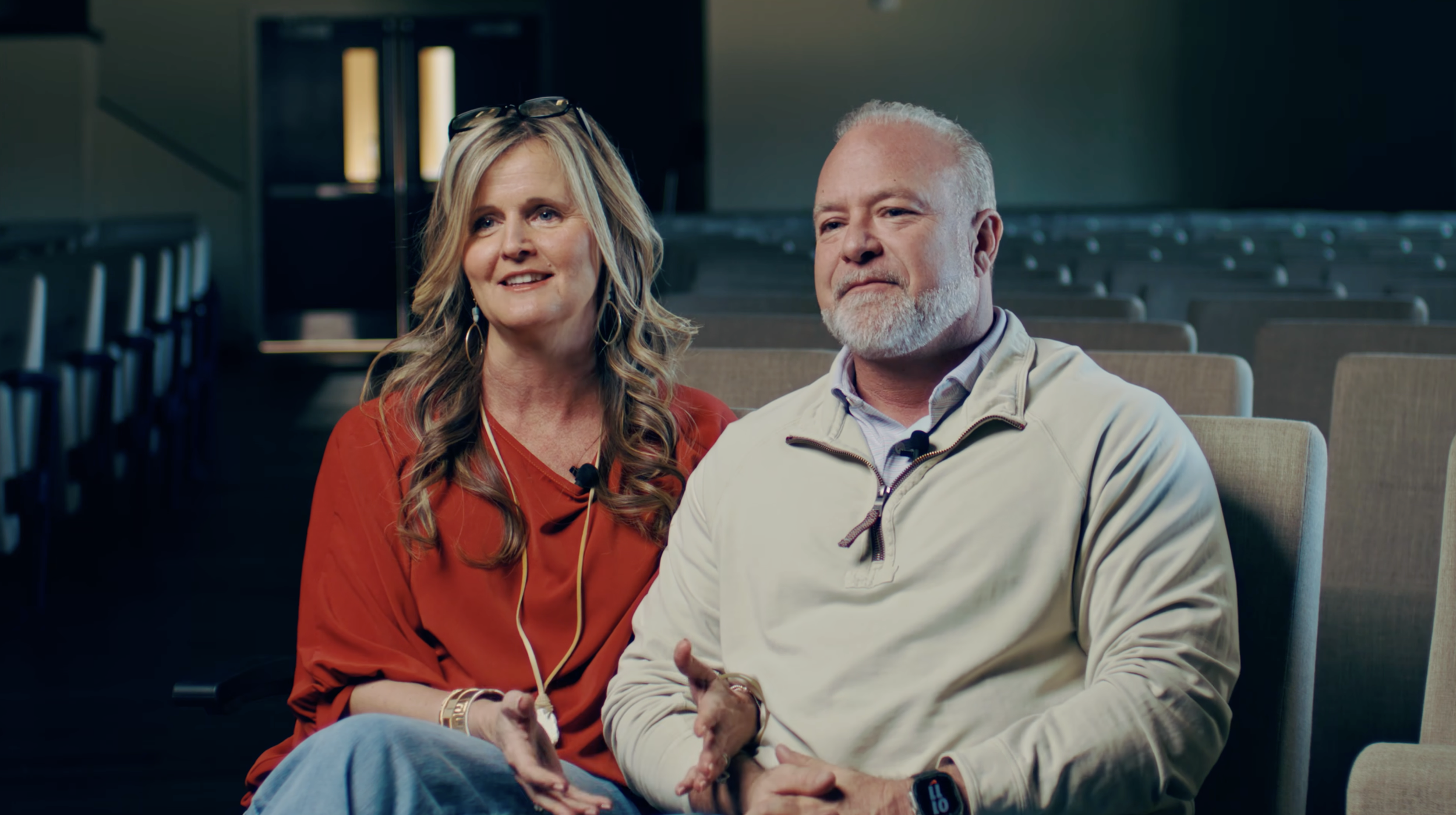
Choosing the right visual approach depends entirely on the truth you want to tell. In a market where audiences are increasingly skeptical of polished marketing, the brand documentary has emerged as a powerful tool for non-profits and mission-led organizations. This style prioritizes authenticity over artifice. A commercial video director who leans into documentary techniques can build profound credibility by showcasing real people in real situations. These films don't just state a mission; they provide visual evidence of a brand's impact on the world. By focusing on the organic and the personal, you invite the viewer to participate in your story rather than simply observe it.
Traditional commercials still have a place, especially when high-concept visuals or specific aesthetic goals are necessary. This style is often the right choice for product-centric launches where the environment must be meticulously controlled. However, even within a traditional framework, there is room for humanizing elements. Artist Profiles, for example, allow corporate leadership to step out from behind the desk. These profiles reveal the character and legacy of the people driving the organization, making a large entity feel approachable and sincere. The goal is to match the production style to the emotional register of your audience.
The Power of the Unscripted Moment
Documentary-style production effectively reduces the sterile, corporate feel that often plagues commercial content. It focuses on capturing legacy and heritage through a grounded lens. When you allow for unscripted moments, you capture the subtle nuances of human interaction that a script cannot replicate. Foundations and non-profits benefit significantly from this human-first approach. It replaces hollow buzzwords with the steady, respectful observation of a subject's daily reality. This sincerity creates a shared sense of purpose between the brand and the viewer.
Choosing a Style Based on Your Audience
Sometimes, a narrative short film approach is the most effective way to engage an audience. This method uses the structures of cinema to tell a brand's story with depth and intentionality. It requires a commercial video director who understands both the technicalities of cinematography and the quiet rhythm of a narrative arc. When you match the film's emotional register to your audience's needs, the impact is lasting. Sincerity will always outweigh technical flashiness. Your audience doesn't need to see a high-energy sales pitch; they need to see a reflection of their own values and experiences in a visual medium they can trust.
The Vetting Process: 5 Steps to Hiring Your Director
Hiring a creative lead is a discovery process that requires more than a glance at a website. Start by reviewing the reel with a focus on emotional resonance. Look past the high-definition textures and pay attention to how the subjects connect with the lens. If the people on screen feel like they are being observed with respect and dignity, you have found something valuable. A commercial video director should be able to demonstrate a consistent ability to capture the soul of a subject, regardless of the industry.
The initial consultation is where you test for empathy. A director should spend more time listening than talking. They need to understand the heartbeat of your mission and the legacy you want to build before they offer a visual vision. This conversation reveals their ability to translate your abstract values into a concrete narrative. It's also the time to discuss project-based fees. Transparency in the business relationship is as vital as the creative one. A project-fee structure offers a clear understanding of the investment, ensuring the focus remains on the quality of the final film rather than the clock.
Reference checks should focus on collaboration and professionalism on set. Ask previous partners how the director handled unexpected challenges. You want a partner who maintains a steady, respectful presence even under pressure. Finally, review the post-production and delivery process. The story is often refined in the edit, so you need a director who remains deeply invested in the narrative arc until the final delivery. This ensures the finished product aligns perfectly with the original vision discussed during pre-production.
The Importance of the Creative Brief
A clear brief is the foundation of a successful partnership. It shouldn't be a simple list of shots; it should be a map of your mission. Include the target emotional response and identify the key subjects whose stories need to be told. A visionary commercial video director will often challenge your assumptions. They might suggest a different angle that reveals a deeper truth about your organization. Encourage this dialogue. It shows they are thinking about the long-term impact of the story rather than just checking boxes.
Assessing Soft Skills in Production
The atmosphere on a film set determines the quality of the performances. Quiet confidence is almost always more effective than aggressive energy. A director with a grounded presence can put non-professional subjects at ease quickly, allowing their authentic selves to emerge. They manage the human condition with patience and care. This is especially important for non-profits where subjects may be sharing vulnerable experiences. If you value a filmmaker who prioritizes these human connections, you can partner with a commercial video director who treats your story with the sincerity it deserves.
Partnering for Impact: The Austin J. Allen Approach
Austin J. Allen operates with a profound sense of sincerity and quiet confidence. He positions himself as a lens for your mission rather than the hero of the story. As a national-serving commercial video director, he brings a grounded perspective to every project. This approach moves beyond simple observation. It seeks a deep, emotional connection with the subject. By prioritizing the human condition, he creates films that feel like a discovery of truth rather than a manufactured marketing asset. This commitment to "being more human" ensures that every frame serves a purpose.
The project-based fee model is an intentional choice for this practice. It removes the friction of hourly billing and places the focus entirely on the quality of the narrative. This transparency builds a sense of shared purpose between the filmmaker and the organization. It ensures that every creative decision serves the story rather than a corporate bottom line. Clients receive a dedicated partner who manages the entire process from initial concept through the final edit. This methodical pace allows for careful consideration and results in a visual legacy that resonates with authenticity.
Story-First Commercial Production
Austin prioritizes the narrative arc over empty corporate buzzwords. He possesses a unique ability to translate complex organizational missions into intimate visual stories that people actually remember. This focus on legacy and character allows for organic growth in how an audience perceives your brand. It isn't about high-energy hype. It's about finding the quiet, steady heartbeat of your organization and letting it breathe on screen. By highlighting the sincerity of your work, a commercial video director can help you build long-term trust with your community.
Ready to Tell Your Story?
Initiating a partnership is a methodical and contemplative process. It begins with a discovery phase where Austin listens to your goals and observes your culture. During filming, he maintains a respectful and patient presence to ensure everyone on set feels at ease. This intentionality carries through to the post-production phase, where the story is refined with care and precision. If you are ready to move beyond the superficial and create something with lasting impact, you can view the portfolio and start a conversation with a director who values substance over style.
Defining Your Visual Legacy
Finding the right creative partner involves looking past the technical flash of a reel to the emotional truth beneath. It's a choice that determines whether your brand film feels like a corporate obligation or a sincere invitation to connect. A commercial video director who prioritizes narrative depth and quiet observation can help you build long-term trust with an audience that is tired of being sold to. By focusing on subject connection and unscripted authenticity, you create a piece of communication that honors your mission and your people.
Austin J. Allen brings a national reach and a grounded, human-centric approach to every project. As a specialist in documentary and narrative storytelling, he acts as a lens for your unique mission, ensuring your legacy is captured with dignity and care. Every project is an opportunity to be more human in a digital world. If you're ready to start this collaborative process, you can connect with Austin J. Allen to discuss your commercial project. Your audience is waiting for a story they can finally believe in.
Frequently Asked Questions
What is the difference between a commercial director and a videographer?
A director leads the creative vision and emotional arc, while a videographer often focuses on the technical act of recording. While a videographer captures what is happening, a commercial video director shapes the narrative to ensure it aligns with your brand's soul. They manage the "why" behind every shot, guiding subjects and crew to achieve a specific emotional response. This leadership transforms a simple recording into a cinematic story.
How much does it cost to hire a commercial video director on a project basis?
Project fees vary based on the complexity of the narrative and the scale of the production. Instead of hourly rates that can lead to uncertainty, a project-based model provides a transparent fee for the entire scope of work. This approach ensures the focus remains on the quality of the storytelling rather than the clock. You'll receive a detailed proposal after a discovery call to ensure the investment matches your goals.
Do you provide video production services for non-profits nationwide?
Yes, these services are available to mission-led organizations across the United States. Austin J. Allen specializes in non-profit documentary production, helping foundations and charities share their impact through a sincere, grounded lens. Whether your project requires filming in multiple states or a single location, the process remains consistent. The goal is always to provide a high-quality visual legacy that resonates with your donors and the communities you serve nationally.
How do I know if a documentary-style video is right for my brand?
Documentary-style is ideal if your brand values authenticity and human connection over polished corporate hype. This approach works best for organizations with a strong mission, a rich heritage, or real people whose stories deserve to be told. If you want your audience to feel a sense of trust and shared purpose, this style is likely the right choice. It replaces scripted sales pitches with unscripted truth and organic moments.
What is included in the production fees for a commercial project?
Production fees typically cover the entire lifecycle of the film, from pre-production to final delivery. This includes creative development, filming with professional equipment, and comprehensive post-production like editing and color grading. A commercial video director ensures that every stage is handled with intentionality. You get an end-to-end partnership where the director manages the technical details so you can focus on your organization's daily operations and your broader mission.
How long does the typical brand story film production take from start to finish?
A standard production usually spans six to twelve weeks, depending on the research and editing required. The process starts with a methodical discovery phase to understand your culture. Filming typically takes a few days, followed by a contemplative post-production period where the story is refined. This steady pace ensures that the final film isn't rushed. It allows for the careful consideration needed to produce a truly impactful, people-focused narrative.
Can a director help with the scripting and storyboarding process?
Yes, a director is deeply involved in the pre-production phase to help map out the visual narrative. They work with you to identify key subjects and target emotional responses rather than just writing a rigid script. For documentary-style projects, this often involves creating a story framework that allows for organic, unscripted moments. This collaborative planning ensures that the filming phase is efficient and the final story feels earned, sincere, and deeply personal.
Why is cinematography important for a commercial video?
Cinematography is the visual language used to evoke empathy and build trust. It's not just about high-resolution images; it's about how light, composition, and movement support the narrative arc. A director who understands cinematography knows how to use shadow and frame to highlight the human condition. This technical expertise ensures that your brand film looks professional while maintaining the warmth and intimacy required to connect with your audience on a deeper level.