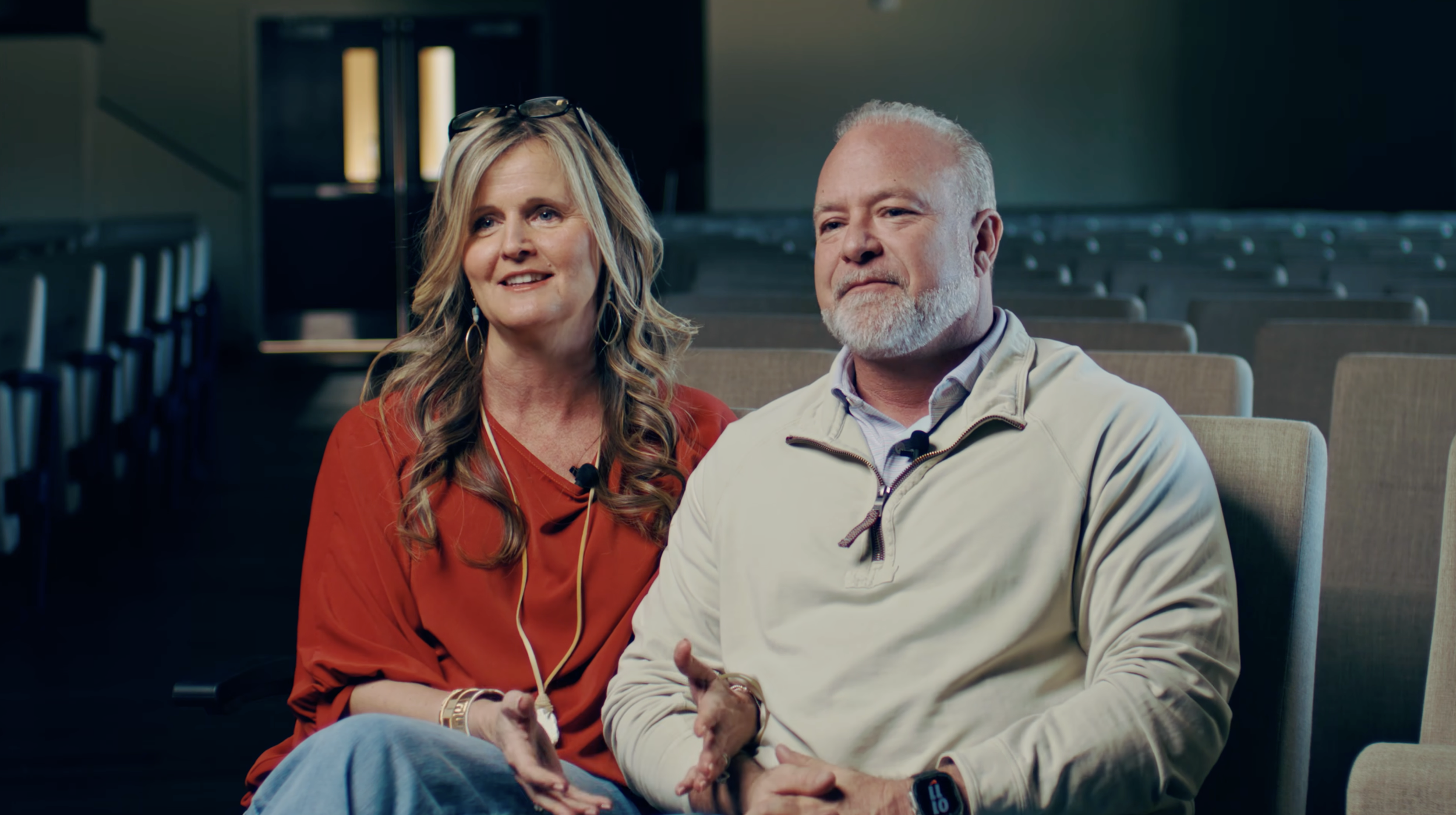
Video Production for Non-Profits: Telling Your Mission with Sincerity
What if the most effective way to inspire a donor wasn't a loud, urgent call to action, but a quiet moment of shared humanity? You likely feel that your organization's story is being lost in the constant hum of digital noise. It's a common struggle to articulate complex social issues simply, and many leaders worry about accidentally exploiting the subjects of their films in the name of awareness. You want to move people, but you want to do it with integrity.
We believe that sincere video production for non profits is about discovery rather than performance. This article will show you how to transform your mission into a cinematic narrative that builds deep, empathetic connections with your audience. You'll learn how documentary-style film captures the truth of your impact and how to find a creative partner who respects the weight of your work. By shifting the focus from guilt to empathy, you can inspire a community of supporters who aren't just giving to a cause, but are truly invested in a shared vision for the future.
Key Takeaways
Learn why prioritizing the subject's experience over organizational branding shifts the narrative from simple awareness to true empathy.
Discover how to reframe your mission by positioning the community as the true hero of your visual narrative.
Understand the collaborative process of video production for non profits that begins with intentional listening and quiet observation.
Identify which visual formats best mirror your organization's sincerity at different stages of the donor journey.
Explore why a documentary filmmaking approach is the most respectful way to honor your subjects while demonstrating long-term impact.
Beyond the Highlight Reel: Why Non-Profits Need Human-Centric Film
Human-centric film is a visual narrative that prioritizes the subject's experience over the organization's branding. It represents a fundamental shift in how we approach video production for non profits. Instead of shouting for awareness, we invite the viewer into a space of empathy. Awareness is often just a metric, but empathy is a lasting connection. When a story focuses on the nuances of the human condition, the organization's mission becomes the natural context rather than a forced product.
A documentary filmmaker acts as a bridge between the foundation and the community it serves. The goal isn't to direct a performance, but to witness and record a truth. This approach ensures that the community's voice remains clear and undistorted. It transforms the viewer from a passive observer into a participant in a shared legacy. By focusing on character and perspective, we create films that feel like a conversation rather than a presentation.
The Limitations of the Corporate Commercial Style
Traditional corporate videos often rely on high-energy music and aggressive, fast-paced editing. This style works for selling services, but it frequently undermines the trust of a dedicated donor base. When a social cause is over-produced, the raw truth of the mission can be masked by technical flashiness. Donors aren't looking for a commercial; they want to see the reality of the work being done.
Sharing a mission requires a different vocabulary than selling a product. High-energy sales language can feel disconnected from the gravity of social issues. It creates a barrier between the subject and the audience. When we remove the clutter of marketing jargon, we allow the underlying meaning of the work to breathe. This transparency is what builds long-term reliability and trust.
Moving Toward Empathy-Driven Storytelling
Impactful storytelling relies on a grounded, intimate emotional resonance. It's the difference between a loud plea and a quiet, sincere conversation. By adopting a minimalist approach, we allow the most important elements of the narrative to take center stage. This quiet confidence in visual storytelling suggests that the work is significant enough to speak for itself.
We don't need to manufacture urgency when the imagery is honest and the subjects are real. A steady, rhythmic pace encourages the audience to slow down. It invites them to engage with the subjects on a deeper level. This minimalist style highlights the depth of the narrative, ensuring the message remains clear. It's through this patient observation that we find the most profound impact.
The Architecture of an Impactful Non-Profit Narrative
The architecture of a film begins with a story-first lexicon. We focus on legacy, character, and imagery rather than bullet points and statistics. In effective video production for non profits, the foundation is rarely the hero of the story. Instead, the hero is the community being served or the mission itself. The organization acts as the catalyst, but the narrative belongs to those whose lives are being transformed. This perspective shift is vital. It moves the viewer from a place of detached observation to one of shared purpose.
Balancing technical expertise with a patient lens requires a specific kind of discipline. It's about knowing when to let the camera linger and when to step back. The rhythm and flow of the film should mirror the reality of the work, maintaining a contemplative atmosphere that respects the weight of the subject matter. This methodical pace allows the audience to absorb the gravity of the mission without feeling rushed or pressured.
Prioritizing Subject Dignity and Ethics
Telling stories of hardship is a delicate responsibility. We avoid pity-marketing because it strips individuals of their agency and reduces complex lives to a single moment of struggle. Instead, we aim to create a safe, respectful space where subjects feel seen and honored. The director's role is to listen first. By ensuring the subject's dignity remains intact, the final edit becomes a testament to their strength. This ethical approach builds a foundation of trust that resonates with donors who value sincerity over spectacle.
Cinematic Techniques for Authentic Connection
Authenticity is often found in the small, organic details of an environment. We prioritize natural light and real-world settings because they build immediate trust with the viewer. While drones and high-tech rigs have their place, a human-eye perspective often creates a more intimate connection. It feels like standing in the room rather than watching from a distance. Similarly, sound design should complement the emotional register without manipulating it. It's about finding the truth in the moment. If you're looking for a partner who values this people-focused visual content, the process begins with a shared commitment to sincerity.
Choosing the Right Visual Format for Your Organization's Goals
Selecting a visual format is an exercise in alignment. It's about finding a medium that mirrors the sincerity of your daily work. Effective video production for non profits doesn't rely on technical flashiness or aggressive calls to action. It relies on truth. By choosing a style that reflects your organization's character, you build a bridge of trust with your audience. This choice should be intentional, moving beyond current trends to focus on what will resonate with your community for years to come.
Visual narratives serve different purposes throughout the donor journey. A prospective supporter might need a film that establishes an immediate, empathetic connection. A long-term partner, however, often seeks a deeper exploration of the mission's impact. Aligning your visual style with an empathetic storyteller persona ensures that every piece of content feels cohesive. It suggests that your organization values depth and listening over simple marketing tactics.
Foundations and non-profits often operate on strict budgetary cycles. A project-based approach to filmmaking offers a transparent way to plan these investments. It allows for a focused discovery phase where the core message is identified before production begins. This methodical pace ensures that the final narrative serves your long-term foundation goals rather than just a single fundraising event.
Mission-Led Brand Films
Mission-led brand films define the "why" behind your work through a cinematic lens. These aren't just promotional pieces. They are a lasting visual legacy. By utilizing artist-profile techniques, we can highlight the dedicated people behind the mission. This humanizes the organization, showing that the work is carried out by individuals with a profound commitment to change. It moves the focus from the institution to the heart of the people who sustain it.
Documentary Impact Stories
Documentary impact stories offer a fly-on-the-wall perspective of real-world change. Testimonials feel more authentic when they aren't scripted or coached. They allow the subject's own voice to lead the narrative. In the context of foundations and grant-making, this documentary approach to video production for non profits provides a respectful way to demonstrate social impact. It prioritizes substance over style, giving donors a clear, unvarnished look at the truth of your mission.
Navigating the Production Process: A Collaborative Journey
The production process is a shared journey. It requires a methodical and contemplative discovery of your organization's core message. In the context of video production for non profits, the most important work often happens before the cameras ever arrive on location. We begin by listening. This isn't a passive act; it's an intentional effort to understand the nuances of your work and the people you serve. By prioritizing this discovery phase, we ensure that the resulting film is a true reflection of your mission's depth.
True connection takes time. We plan our schedules to allow for "Being More Human," which means prioritizing relational dynamics over technical checklists. This approach is fundamental to video production for non profits that seeks to build trust. When we value the connection as much as the footage, the final narrative carries a much deeper emotional resonance. It creates a steady and respectful atmosphere where subjects feel comfortable sharing their truth.
Finding the Heart of the Story
Distilling a complex social issue into a concise narrative is an art of subtraction. We work together to identify the key characters and moments that embody your organization's truth. As a filmmaker, I act as a lens for your vision, focusing on the imagery and legacy that define your impact. This collaborative effort ensures that the story remains grounded and authentic, avoiding the hollow marketing jargon that often clutters non-profit communications. We focus on the character of the mission rather than just the mechanics of the service.
On-Location: Creating a Safe Space
The filmmaker's presence on location should be observant without being intrusive. A small, intimate crew is often the most effective choice for non-profit work. It minimizes the technical barrier between the subject and the lens, allowing for a more organic experience. The ethics of the interview are paramount. We ask questions that allow for discovery rather than directing a specific answer. This creates a safe space where the subject feels heard and honored.
Post-production is the final stage of this intentional journey. Editing is handled with a commitment to preserving the truth of the moment rather than creating artificial drama. We look for the quiet, steady rhythm that defines the human experience. If you're ready to begin this collaborative process, you can explore my approach to non-profit documentary production to see how we can tell your story with sincerity.
Elevating Your Mission Through Cinematic Documentary Filmmaking
A documentary approach is the most respectful way to share social impact. It doesn't force a narrative; it discovers one. This style of video production for non profits prioritizes the subject's experience, ensuring that the final film is rooted in truth. When we prioritize substance over technical style, we create a piece that retains its value for years. It becomes a part of the organization's legacy. It isn't just a video. It's a testament to the work you do every day.
Viewing production fees as an investment in that legacy is a vital shift in perspective. It's not just a transactional cost. It's a commitment to telling a story that will build deep, empathetic connections with your supporters. Foundations often find that project-based fees provide the transparency needed for careful budget planning. The final goal is to move the viewer from a place of passive observation to a place of true connection. We want them to feel the weight and the hope of your mission.
The Role of the Documentary Filmmaker for Hire
Expertise in people-focused cinematography is essential for this kind of work. There's a profound difference between a video editor who simply assembles clips and a cinematic director who understands the human condition. A director knows how to listen. They know how to observe the quiet moments that others might miss. Austin J. Allen specializes in this story-first approach, collaborating on national non-profit projects across the United States. This expertise ensures that the mission remains the focus, captured through a lens of artistic integrity and quiet confidence.
Starting Your Next Narrative Project
Preparing your team for a story-first production experience requires a shift in expectations. It's about being ready to listen and share rather than just checking off a list of marketing goals. This process is collaborative and patient. It moves at a pace that allows for genuine discovery. When you are ready to share your organization's vision, the process begins with a simple conversation. We look for the truth in everyday moments to create something that resonates deeply with your audience. If you feel your story is ready to be told with sincerity, you can connect with Austin J. Allen to tell your story.
Honoring Your Mission Through Authentic Narrative
Your organization's mission is too important to be lost in digital noise. By choosing a human-centric approach, you move beyond mere awareness and create a lasting legacy of empathy. We've explored how a documentary-style approach respects the dignity of your subjects while building a profound connection with your audience. This isn't about technical flashiness. It's about finding the quiet truth in your daily work.
Austin J. Allen specializes in people-focused cinematography, offering a story-first perspective that prioritizes sincerity. With project-based fees for transparent planning, we can build a collaborative partnership rooted in trust and shared purpose. This methodical way of working ensures your message remains clear and impactful for years to come. Your impact deserves to be seen, heard, and honored through thoughtful video production for non profits.
If you're ready to transform your organization's mission into a cinematic narrative, it's time to start a conversation about your organization's story. Your story is waiting to be told with the depth and care it deserves.
Frequently Asked Questions
How much does video production for non-profits typically cost?
Costs are determined by the specific scope and complexity of your project. Instead of hourly rates, project-based fees provide transparency for your foundation's budget planning. Factors like the number of filming locations, the length of the discovery phase, and the total production days influence the final investment. This approach ensures that we prioritize the depth of the narrative over a simple hourly checklist, allowing us to focus on the long-term impact of your story.
What is the difference between a commercial and a non-profit documentary?
A commercial film often focuses on a product or service with a high-energy sales pitch. In contrast, non-profit documentary production prioritizes the subject's experience and the organization's mission. The goal is to build deep, empathetic connections rather than just generating awareness. This style values truth and sincerity over technical flashiness, creating a visual legacy that honors the people being served. It is a shift from performance to authentic observation.
How long does the production process take from start to finish?
A typical project moves through a methodical timeline of discovery, filming, and intentional editing. The exact duration depends on the complexity of your mission and the availability of the subjects involved. We move at a pace that suggests careful consideration and intentionality. This contemplative rhythm avoids the frantic speed of modern content, ensuring that every frame contributes to a meaningful narrative arc. Most organizations find this patient approach yields the most profound results.
Do we need to have a script ready before hiring a filmmaker?
You don't need a script because our process begins with a collaborative discovery phase. We listen first to understand the nuances of your work. In documentary-style video production for non profits, the story often emerges through quiet observation and sincere conversation. We identify key characters and moments that embody your organization's truth. This organic development ensures the final film feels authentic rather than rehearsed, allowing your mission to speak for itself.
How can we ensure our subjects feel comfortable during filming?
We create a safe, respectful space by utilizing small, intimate crews and a patient lens. The filmmaker acts as a quiet observer, prioritizing connection over technical checklists. We schedule time for "Being More Human," allowing subjects to settle into the environment without feeling rushed. By asking questions that encourage discovery rather than performance, we ensure that every person feels heard and honored. This ethical approach builds the trust necessary for authentic storytelling.
Can a single film be used for both fundraising and brand awareness?
A well-crafted mission-led film naturally serves multiple goals by establishing a grounded emotional resonance. While awareness is a metric, empathy is what drives long-term support. A cinematic narrative that prioritizes substance over style can inspire donors through shared purpose rather than just a tactical plea. By focusing on the core truth of your impact, the film becomes a versatile tool that resonates across different stages of the donor journey and community engagement.
What should we look for in a documentary filmmaker for hire?
Look for a partner who prioritizes people-focused visual content and possesses a clear, visionary perspective. It's important to find a filmmaker who listens first and acts as a lens for your mission rather than the hero of the narrative. Seek expertise in human-centric storytelling and a portfolio that demonstrates artistic integrity. A collaborative spirit and a commitment to sincerity are essential for translating complex social issues into a visual medium that truly connects.
How do we measure the success of a non-profit film project?
Success in video production for non profits is measured by the depth of connection and the legacy of the story. While metrics like engagement are useful, the true value lies in how effectively the film articulates your mission with sincerity. We look for signs of increased donor trust and a clearer understanding of your impact among stakeholders. A successful project moves the audience from observation to a place of shared vision and lasting commitment to your cause.